Financial incentives are everywhere. From credit card sign-up bonuses to promotional loan rates, institutions are constantly competing for your attention. One term you might encounter frequently in digital finance circles is “free kredit” or promotional credit links. These offers often promise easy access to funds, bonuses, or credits without the usual upfront costs. But are they as beneficial as they seem?
Navigating the landscape of digital credit offers requires a sharp eye. While these promotions can provide genuine value, they also come with specific conditions that may not be immediately obvious. This article will break down the mechanics of these offers, exploring the significant advantages and potential pitfalls you need to understand before clicking that claim button.
Understanding the “Free Kredit” Phenomenon
Before we dive into the pros and cons, let’s clarify what these offers typically entail. A “link free kredit” offer usually refers to a promotional URL provided by a financial service, gaming platform, or e-wallet. When a user clicks this link and performs a specific action—such as registering an account, depositing a small amount, or verifying their identity—they receive a credit bonus.
These credits act as a form of digital currency. In some contexts, they are trading credits for investment platforms. In others, they might be play credits for online gaming or discount vouchers for e-commerce. Regardless of the specific industry, the core mechanic is the same: an incentive to get you through the door.
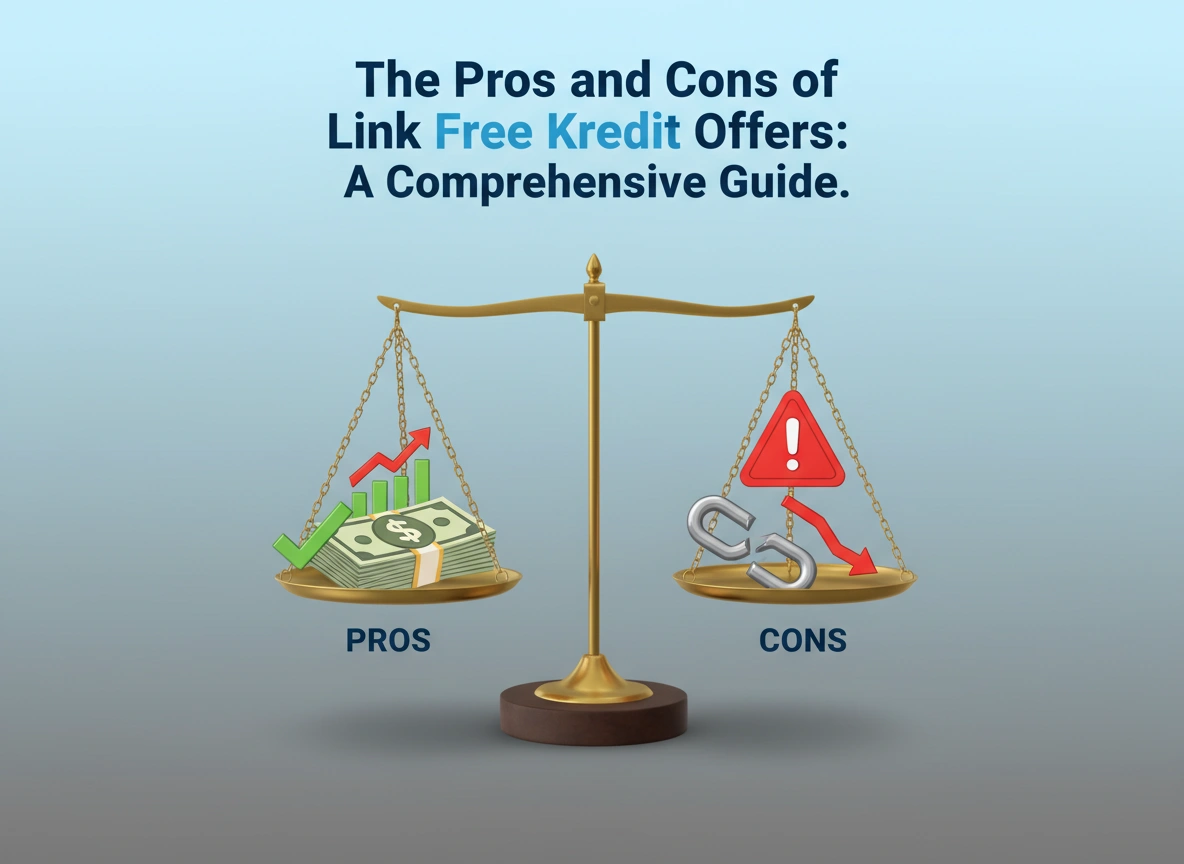
The Advantages of Link Free Kredit Offers
For the savvy consumer, these promotions can be excellent tools. When used correctly, they offer a low-risk way to explore new services or boost your purchasing power.
1. Risk-Free Trial of Services
One of the most significant benefits is the ability to test a platform without committing your own capital. If you are hesitant about a new investment app or an online service, a free credit offer allows you to navigate the interface and test the features. It removes the initial barrier to entry. If you don’t like the service, you can walk away without having lost your own money.
2. Immediate Financial Boost
For those who are already planning to use a service, these credits are essentially free money. Whether it’s an extra $50 in an ad account or bonus funds in a digital wallet, this added capital extends your runway. It allows you to do more with less, stretching your budget further than it would go otherwise.
3. Opportunity to Learn Without Loss
In the world of trading and investments, mistakes are costly. Many brokerage platforms offer welcome credits that allow beginners to make their first few trades using house money. This learning curve is invaluable. You can experience the emotional highs and lows of the market and learn the technical mechanics of executing a trade without the fear of draining your savings account.
4. Accessibility and Ease of Use
Most of these offers are designed to be incredibly user-friendly. The barriers to claiming them are usually low—often just a simple registration process. For example, if you find a legitimate link free kredit offer, the process is typically streamlined for mobile users, allowing you to claim your bonus in seconds. This accessibility makes financial tools available to a broader demographic that might otherwise be intimidated by complex banking procedures.
5. Loyalty Rewards and Retention
These offers aren’t just for new customers. Many companies use credit links to reward existing users for their loyalty. Regular drops of free credits can keep users engaged and feeling valued. It creates a positive feedback loop where the consumer feels appreciated, and the company retains a happy customer.
The Disadvantages and Risks
While the upside is attractive, the old adage “there is no such thing as a free lunch” often applies. It is crucial to approach these offers with a critical mindset to avoid potential traps.
1. Stringent Wagering or Usage Requirements
This is the most common catch. A platform might give you $100 in free credit, but you cannot simply withdraw that money to your bank account. You often have to “turn over” or spend that amount a certain number of times before it becomes real, withdrawable cash. These wagering requirements can sometimes be so high that the mathematical probability of turning the credit into cash is very low.
2. Data Privacy Concerns
Information is the new currency. In exchange for that free credit, you are almost certainly providing personal data. This might include your email, phone number, and sometimes more sensitive identity verification documents. While reputable companies protect this data, less scrupulous operators might sell your information to third-party advertisers, leading to a barrage of spam calls and emails.
3. The Psychology of “House Money”
Behavioral economists have long studied the “house money effect.” When people are gambling or trading with credit they perceive as “free,” they tend to take much bigger risks than they would with their own hard-earned cash. This can establish dangerous habits. If you get used to making high-risk moves because “it’s just free credit,” you might continue that behavior once you start using your own funds, leading to significant financial losses.
4. Hidden Fees and Expiration Dates
The fine print is where the devil resides. Free credits often come with expiration dates—sometimes as short as 24 hours. This creates a sense of urgency (FOMO) that forces you to make hasty decisions just to use the credit. Additionally, some offers might have hidden maintenance fees or withdrawal fees that eat into any profit you manage to generate from the bonus.
5. Platform Legitimacy Issues
The popularity of free credit offers has attracted scammers. For every legitimate promotion, there are phishing links designed to look like real offers. Clicking a malicious link could compromise your device security or lead to identity theft. Distinguishing between a genuine promotional campaign and a sophisticated phishing attempt requires vigilance and digital literacy.
How to Evaluate a Free Kredit Offer
To maximize the benefits while minimizing the risks, you need a systematic way to evaluate these promotions. Here is a checklist to run through before you click:
- Check the Source: Is the offer coming from a verified, reputable domain? If you received it via a random WhatsApp message or a suspicious email, proceed with extreme caution.
- Read the Terms and Conditions: Look specifically for “rollover requirements,” “withdrawal limits,” and “expiry dates.” If the terms are buried or impossible to understand, that is a red flag.
- Assess the “Ask”: What do you have to do to get the credit? If they are asking for your credit card details for a “free” deposit, be wary. Legitimate no-deposit bonuses usually don’t require payment information upfront.
- Look for Reviews: deeply search the platform name online. See if other users have successfully claimed the credit and, more importantly, if they were able to withdraw any winnings or benefits derived from it.
The Future of Promotional Credits
The landscape of digital incentives is evolving. We are moving away from simple cash bonuses toward more complex rewards systems involving cryptocurrencies, NFTs, and loyalty points that appreciate over time.
Regulatory bodies are also paying closer attention. In many jurisdictions, financial marketing is becoming strictly regulated to ensure that “free” offers are not misleading. This push for transparency is good news for consumers, as it forces companies to be clearer about the terms attached to their promotions.
Furthermore, artificial intelligence is enabling hyper-personalized offers. Instead of a generic link for everyone, you might soon receive credit offers tailored specifically to your spending habits and financial goals. While this increases relevance, it also raises further questions about data privacy and how much financial institutions know about our personal lives.
Conclusion
The world of link free kredit offers is a double-edged sword. On one side, it offers genuine opportunities for financial exploration, risk-free learning, and monetary gain. It democratizes access to financial tools and allows consumers to test-drive services before buying. On the other side, it presents risks regarding data privacy, psychological traps, and restrictive terms that can render the credits useless.
The key to navigating this landscape is not to avoid these offers entirely, but to approach them with open eyes. Treat free credits as a tool, not a windfall. Read the fine print, protect your personal data, and never let the allure of “free” money cloud your judgment regarding financial risk. By maintaining a professional and skeptical approach, you can leverage these incentives to your advantage without falling prey to the pitfalls.