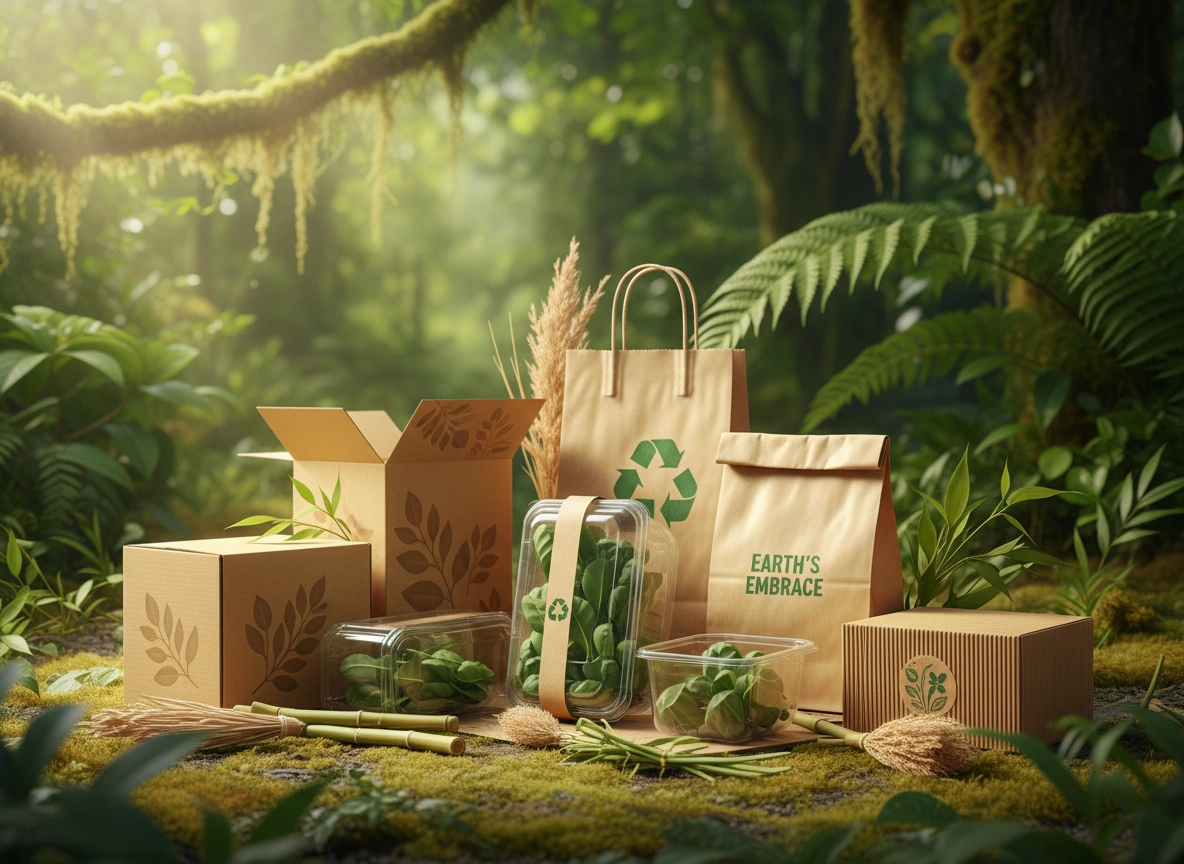
Walk down the aisle of any supermarket, and you will see it: layers upon layers of plastic. It wraps our cucumbers, encases our electronics, and bottles our water. For decades, convenience has been king. But as landfills overflow and microplastics infiltrate our oceans, the reign of single-use plastic is facing a necessary coup. Eco-friendly packaging is no longer just a niche trend for organic boutiques; it is becoming a critical business imperative and a consumer demand.
This article explores why shifting away from traditional materials is vital, the tangible benefits for companies and customers alike, and how innovative solutions are reshaping the way we ship, store, and sell products. We will also examine the hurdles businesses face during this transition and provide a roadmap for making the switch.
The Problem with Plastic: A Lasting Legacy
We produce over 380 million tons of plastic every year, and some reports indicate that up to 50% of that is for single-use purposes. The environmental cost of traditional packaging is staggering. Most conventional plastics are made from fossil fuels, meaning their production contributes heavily to greenhouse gas emissions before they even reach the consumer.
Once discarded, the lifecycle of traditional packaging becomes even more problematic.
- Decomposition Time: A standard plastic bottle can take up to 450 years to decompose.
- Microplastics: As plastic breaks down, it doesn’t disappear. It fragments into microplastics that contaminate soil and waterways, eventually entering the human food chain.
- Marine Impact: The Ellen MacArthur Foundation famously predicted that by 2050, there could be more plastic in the ocean than fish by weight.
The “take-make-waste” model of the linear economy is unsustainable. We need a circular approach where materials are kept in use, and waste is designed out of the system. This is where sustainable packaging steps in.
Why Going Green Matters for Business and Consumers
Adopting eco-friendly packaging isn’t just an act of environmental charity; it makes solid economic sense. The market is shifting, and businesses that fail to adapt risk being left behind.
Consumer Demand is Driving Change
Modern consumers are more informed and conscientious than ever. A 2021 study by Trivium Packaging found that 67% of consumers identify as environmentally aware. More importantly, 54% take sustainable packaging into consideration when selecting a product.
When a customer receives a package filled with non-recyclable Styrofoam peanuts and excessive plastic wrap, it creates a negative “unboxing” experience. Conversely, sustainable materials signal that a brand shares the customer’s values, fostering loyalty and trust.
Brand Image and Differentiation
In a crowded marketplace, sustainability is a powerful differentiator. Brands that commit to green packaging often enjoy a “halo effect,” where their commitment to the environment boosts their overall reputation. It positions a company as a forward-thinking leader rather than a lagging follower.
Regulatory Compliance
Governments worldwide are tightening regulations on waste. The European Union has implemented strict bans on certain single-use plastics, and many U.S. states are following suit with extended producer responsibility (EPR) laws. Transitioning now helps businesses stay ahead of future legislation, avoiding potential fines and rushed, costly compliance measures later.
Innovation in Action: Packaging Solutions for Today
The good news is that we are in a golden age of material innovation. “Eco-friendly” no longer means brown, boring, and flimsy. Today’s sustainable packaging is durable, versatile, and often quite beautiful.
Biodegradable Packing Peanuts
Traditional Styrofoam peanuts are notorious for their environmental persistence. The modern alternative is starch-based peanuts. Made from crops like corn or wheat, these peanuts perform just as well as their synthetic counterparts but dissolve in water and are fully biodegradable. They leave no toxic residue and can even be thrown into a home compost bin.
Mushroom Packaging
One of the most exciting developments is the use of mycelium—the root structure of mushrooms. Companies like Ecovative Design grow packaging by letting mycelium bind agricultural waste (like hemp hurds) into custom molds. The result is a sturdy, Styrofoam-like material that is 100% compostable. It literally grows in a few days and decomposes in a few weeks.
Seaweed Packaging
Plastic water bottles and condiment sachets are major pollutants. Startups like Notpla have developed packaging made from seaweed and plants. These materials are edible and biodegradable. Imagine finishing a marathon and eating the water capsule instead of throwing a plastic bottle on the ground. It is a radical rethinking of how we contain liquids.
Corrugated Bubble Wrap
Bubble wrap is fun to pop but terrible for the planet. Corrugated up-cycled cardboard is now being cut in specific patterns to create a flexible, protective mesh. It provides excellent shock absorption for fragile items but is made entirely from paper, making it easily recyclable in standard curbside bins.
Challenges on the Road to Sustainability
While the benefits are clear, the path to fully sustainable packaging is not without obstacles. Businesses must navigate several challenges to make the transition successful.
The Cost Factor
Historically, eco-friendly materials have been more expensive than virgin plastic. While the gap is closing as technology improves and scale increases, sustainable options can still carry a premium. Small businesses, in particular, may struggle to absorb these initial costs without passing them on to consumers.
Infrastructure Limitations
“Recyclable” and “Compostable” are only effective labels if the local infrastructure exists to process them. A compostable cup sent to a landfill will not decompose properly; it needs industrial composting facilities, which are not available in all municipalities. This creates a disconnect between the packaging’s potential and its actual end-of-life reality.
Durability and Shelf Life
Plastic became popular because it is incredibly effective at preserving food and protecting goods from moisture. Finding natural alternatives that offer the same barrier properties (preventing spoilage or damage) remains a significant technical challenge for the food and beverage industry.
Practical Steps for Businesses to Transition
Transitioning to eco-friendly packaging does not have to happen overnight. It is often better to take a phased approach rather than attempting a radical overhaul that disrupts operations.
1. Conduct a Packaging Audit
Start by analyzing what you currently use. Look at every layer of your packaging—from the primary container to the shipping box and the tape that seals it. Identify the “low-hanging fruit.” Can you replace plastic tape with water-activated paper tape? can you reduce the size of the box to eliminate void fill?
2. Prioritize Reduction
The most sustainable packaging is no packaging at all. Before swapping materials, see if you can reduce the amount of material used. “Right-sizing” your packaging reduces waste and lowers shipping costs by minimizing dimensional weight.
3. Choose the Right Materials
Select materials based on the reality of your product and your customer’s location.
- Recycled Content: Aim for high percentages of post-consumer recycled (PCR) content.
- Recyclability: Ensure the materials you choose are widely recyclable in standard municipal programs.
- Compostability: Use compostable materials only if you know your customers have access to composting facilities.
4. Educate Your Customers
Don’t assume your customers know what to do with the packaging. Clearly label your materials with disposal instructions. Use QR codes or inserts to explain why you chose these materials and how to properly recycle or compost them. This engages the customer in your sustainability story.
5. Collaborate with Suppliers
Talk to your current suppliers about sustainable options. If they cannot meet your needs, look for partners who specialize in green solutions. Many suppliers now offer design services to help optimize packaging for sustainability.
Conclusion: A Shared Responsibility
Eco-friendly packaging is a crucial step towards a greener future, but it is a journey that requires commitment from businesses, governments, and consumers. It is not just about swapping one material for another; it is about rethinking our relationship with resources.
For businesses, the transition offers a chance to innovate, build brand loyalty, and future-proof operations against looming regulations. For consumers, it offers a way to vote with their wallets for the kind of world they want to live in. By embracing materials that regenerate rather than deplete, and by designing systems that cycle rather than stagnate, we can unwrap a future that is cleaner, healthier, and more sustainable for generations to come.
Please visit website for more info.
